Graphene Uses: The Most Powerful Applications of Graphene Today
Graphene is one of the most exciting materials ever discovered, known for being incredibly strong, lightweight, flexible, and highly conductive. Because of its unique atomic structure, graphene has become a key focus in modern science, engineering, and advanced manufacturing.
Today, graphene uses are expanding rapidly across industries such as energy storage, electronics, medicine, aerospace, construction, water purification, and wearable technology. This guide explains the most important applications of graphene and why it is considered a future-defining material.
What Makes Graphene So Special?
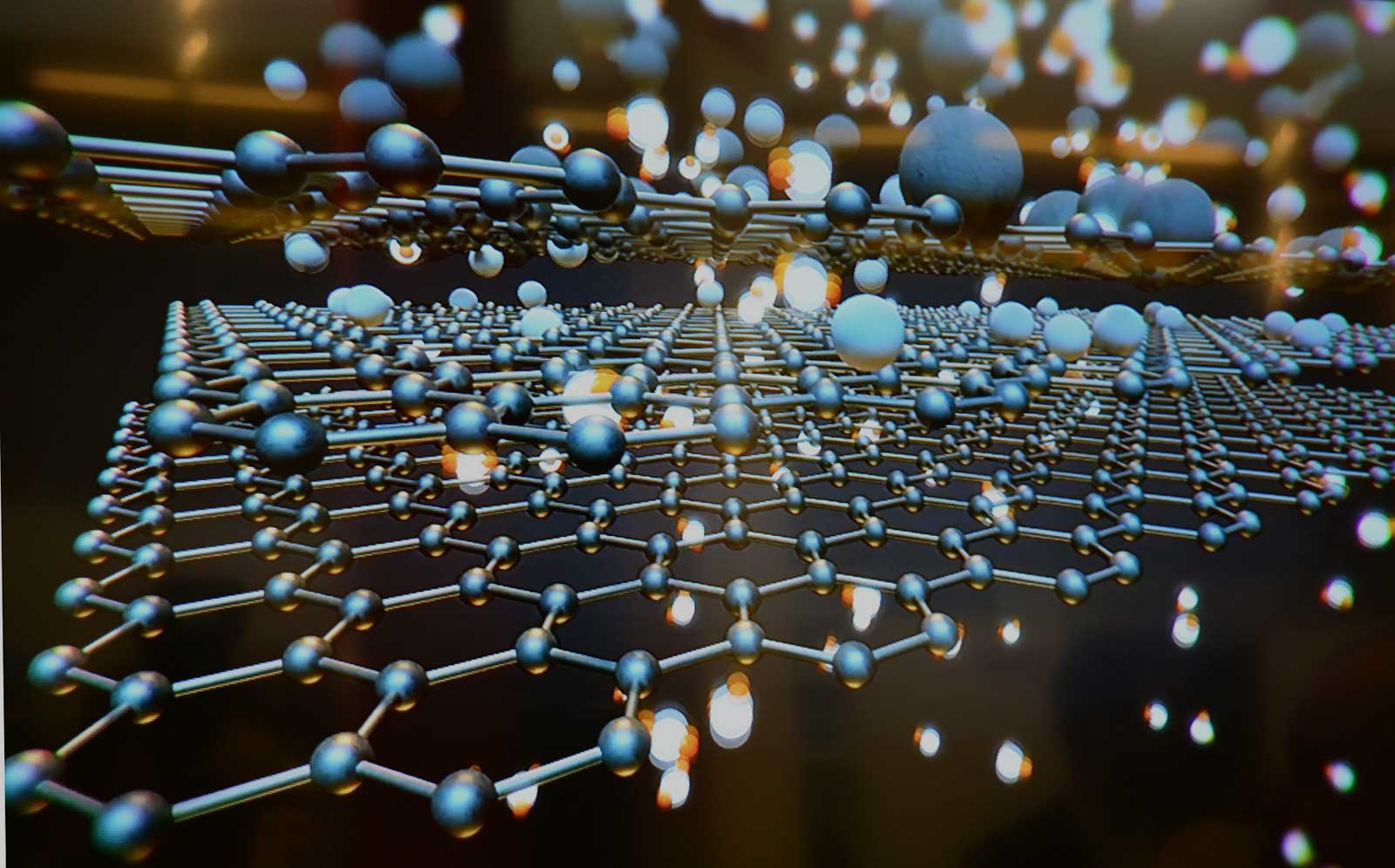
Graphene is a single layer of carbon atoms arranged in a hexagonal honeycomb structure. Even though it is only one atom thick, it is remarkably durable and capable of transforming multiple industries due to its rare combination of properties.
- Extreme strength: Graphene is stronger than steel by weight.
- High electrical conductivity: It can transfer electricity extremely efficiently.
- Excellent thermal conductivity: It transfers heat better than most known materials.
- Lightweight and flexible: It can bend without breaking.
- Transparent: It can be used in screens and optical devices.
- Chemically stable: It resists corrosion and chemical breakdown.
These advantages make graphene a revolutionary option for creating next-generation technologies.
Top Graphene Uses in the Modern World
Graphene is already being used in commercial products, and its future applications continue to expand. Below are the most important graphene uses today.
1. Graphene Uses in Batteries and Energy Storage
One of the most popular graphene applications is in lithium-ion batteries and advanced energy storage systems. Graphene can improve battery performance by increasing conductivity and allowing faster charging.
- Faster charging batteries
- Longer battery lifespan
- Higher energy density
- Improved heat control and safety
Graphene-enhanced batteries are being researched for electric vehicles, smartphones, drones, and large-scale power storage.
2. Graphene Uses in Electronics and Semiconductors
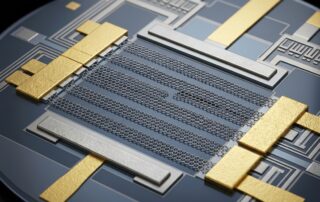
Graphene is an outstanding conductor of electricity, making it valuable for advanced electronics. Researchers are studying graphene as a possible replacement for silicon in future chip designs.
- Faster microchips
- Flexible circuits
- Touchscreens and display panels
- High-speed transistors
Graphene electronics could lead to thinner, faster, and more energy-efficient devices.
3. Graphene Uses in Water Filtration and Desalination
Graphene oxide membranes have shown impressive results in filtering salt, heavy metals, and contaminants from water. This is one of the most promising graphene uses for solving global water shortages.
- Salt removal for desalination
- Filtering microplastics
- Removing toxins and bacteria
- Improving industrial wastewater treatment
Graphene filtration technology could reduce costs and increase access to clean drinking water worldwide.
4. Graphene Uses in Medicine and Healthcare
Graphene is being researched for medical implants, diagnostics, and drug delivery systems. Its conductivity and biocompatibility make it useful for wearable health sensors and medical devices.
- Graphene biosensors for early disease detection
- Targeted drug delivery systems
- Advanced imaging technologies
- Neural implants and prosthetics
Some graphene-based medical applications are still in development, but the potential is enormous.
5. Graphene Uses in Construction Materials and Concrete
Graphene is increasingly being added to cement and concrete mixtures to improve strength and durability. This is one of the most practical graphene uses because construction is a massive global industry.
- Stronger concrete with less material
- Improved crack resistance
- Longer-lasting infrastructure
- Reduced environmental impact by lowering cement demand
Graphene-enhanced concrete could lead to longer-lasting roads, bridges, and buildings.
6. Graphene Uses in Aerospace and Automotive Engineering
Graphene’s strength-to-weight ratio makes it ideal for aerospace and vehicle components. Reducing weight in aircraft and cars improves fuel efficiency and performance.
- Lightweight composite materials
- Improved aircraft coatings
- Enhanced thermal protection
- Stronger, lighter car parts
Graphene could become essential in future electric vehicles and next-generation aircraft.
7. Graphene Uses in Wearable Technology and Smart Clothing
Graphene is flexible and conductive, making it perfect for wearable electronics. It can be integrated into fabrics, allowing clothing to monitor body temperature, heart rate, and movement.
- Smart clothing and fitness wearables
- Flexible sensors and circuits
- Graphene heating textiles
- Wearable medical monitoring devices
Graphene wearables are expected to become more common as production costs decrease.
8. Graphene Uses in Solar Panels and Renewable Energy
Graphene is being studied for improving solar panel efficiency by enhancing conductivity and reducing energy loss. Some research also suggests graphene could support new photovoltaic designs.
- More efficient solar cells
- Transparent conductive films
- Flexible solar panels
- Improved energy conversion systems
This makes graphene an important material for the future of renewable energy.
9. Graphene Uses in Protective Coatings and Anti-Corrosion Products
Graphene coatings are being used to create surfaces that resist corrosion, moisture, and chemical damage. This is valuable in marine environments, pipelines, industrial machinery, and electronics.
- Anti-corrosion coatings for ships and pipes
- Protective coatings for metals
- Improved durability for electronics
- Heat-resistant industrial coatings
Graphene-based coatings can significantly extend the lifespan of materials exposed to harsh environments.
10. Graphene Uses in Sports Equipment
Graphene is already used in high-performance sports equipment because it strengthens materials without adding weight. This allows manufacturers to create more durable and responsive products.
- Tennis rackets
- Bicycle frames
- Golf clubs
- Protective helmets
Graphene sports technology is growing because consumers demand lighter and stronger performance gear.
Graphene Uses Table: Industries and Applications
Why Graphene Uses Are Growing Rapidly
The world is moving toward faster electronics, cleaner energy, lighter transportation, and smarter medical devices. Graphene fits perfectly into these trends because it improves performance without requiring heavy material changes.
As manufacturing becomes cheaper and graphene production scales globally, graphene uses will continue to expand across industries and consumer products.
Is Graphene Used in Real Products Today?
Yes, graphene is already used commercially in certain products, especially in sports equipment, coatings, composite materials, and some battery enhancements. However, many of the most revolutionary graphene applications are still in the research and development stage.
As production methods improve, graphene is expected to become more common in everyday consumer technology.
Frequently Asked Questions About Graphene Uses
What is graphene used for?
Graphene is used in batteries, electronics, sensors, coatings, medical devices, water filtration systems, construction materials, and aerospace composites due to its strength and conductivity.
What is the most important graphene application?
One of the most important graphene uses is energy storage, especially graphene-enhanced batteries and supercapacitors, because it improves charging speed and durability.
Is graphene used in electric vehicles?
Yes, graphene is being tested and used in electric vehicle batteries, coatings, and lightweight composites to improve range, performance, and heat management.
Can graphene be used in medicine?
Graphene can be used in medicine for biosensors, drug delivery, implants, and diagnostics. Many graphene medical technologies are still being researched but show major promise.
Why is graphene so strong?
Graphene is strong because it is made of carbon atoms bonded in a tight hexagonal lattice structure, making it one of the strongest materials ever discovered.
Is graphene expensive?
Graphene can still be expensive depending on the type and purity, but costs are decreasing as production methods improve. This will accelerate graphene adoption globally.
Final Thoughts: Graphene Uses Will Shape the Future
Graphene is no longer just a laboratory discovery. It is becoming a real-world material that could redefine technology, energy storage, construction, healthcare, and clean water systems. From graphene batteries to advanced medical sensors, graphene uses continue to grow as scientists and manufacturers discover new ways to unlock its potential.
If you want to explore the latest graphene breakthroughs, real-world products, and upcoming innovations, GrapheneUses.org is your trusted resource for graphene applications, science, and technology updates.